Academy of Fine Arts and Literature

Conferences That Shaped South Asia’s Literary Dialogue

Since its founding in 1987, FOSWAL has organised dozens of pathbreaking conferences across South Asia. Each gathering was more than a literary meet — it was a bold act of cultural diplomacy, creating dialogue in times when political relations were strained. Below are highlights of some of the most influential conferences in FOSWAL’s history.

The Peace Conference (1987, New Delhi)

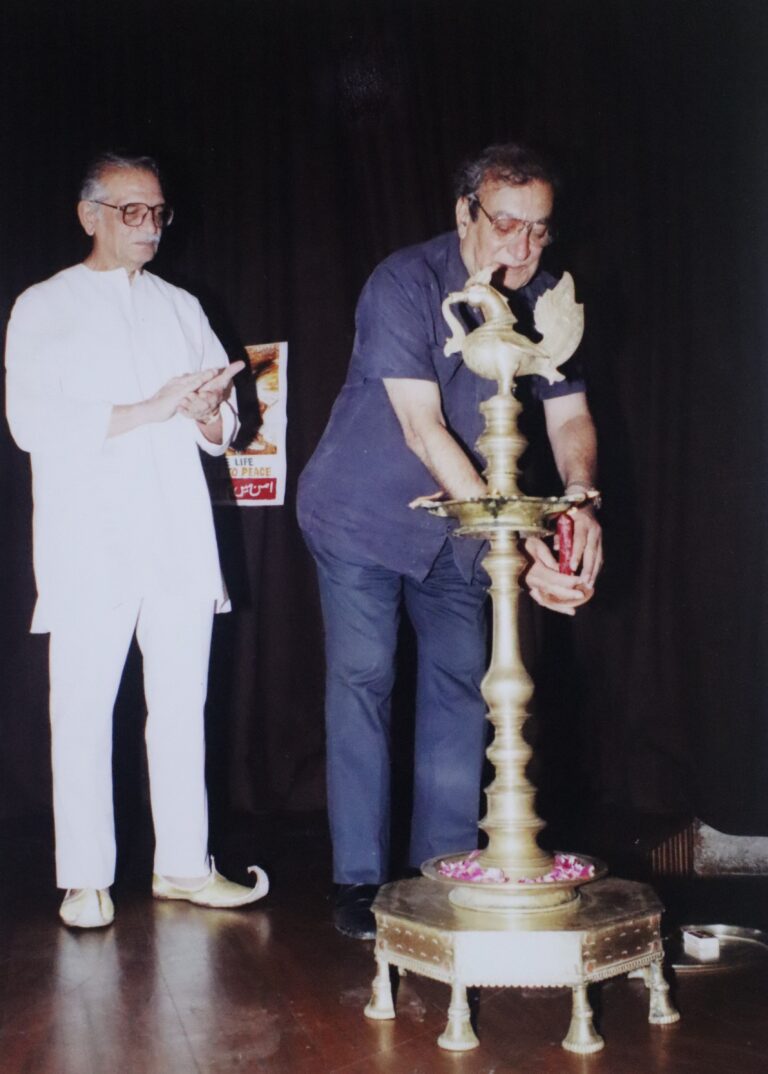
The very first gathering of writers under FOSWAL’s banner, the Peace Conference brought together voices from India, Pakistan, Nepal, and Sri Lanka. At a time of heightened political tensions, poets and novelists sat side by side, showing that peace could be imagined and spoken into existence through literature.

Women’s Writers Summit (1992, Lahore & New Delhi)

This landmark summit created a rare cross-border space for women writers from all SAARC nations. It was here that voices long silenced by patriarchy, war, and displacement found solidarity. Themes of gender, resilience, and empowerment became central to FOSWAL’s continuing mission.

Partition Literature Dialogue (1997, Amritsar & Lahore)

Marking 50 years of Partition, this dialogue confronted painful histories head-on. Writers from both sides of the border read stories of exile, migration, and memory. It was one of the most emotionally charged FOSWAL conferences, showing how literature can heal wounds while refusing to forget them.

A Landmark Gathering at the Turn of the Century (2001, New Delhi)

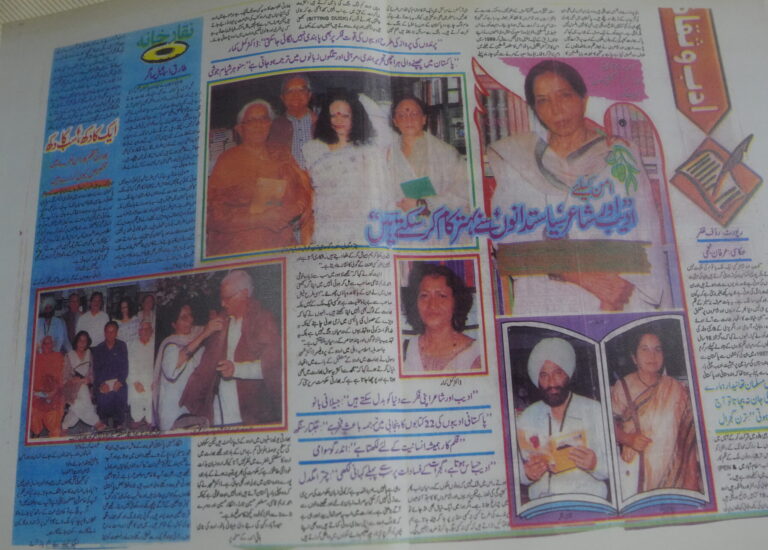
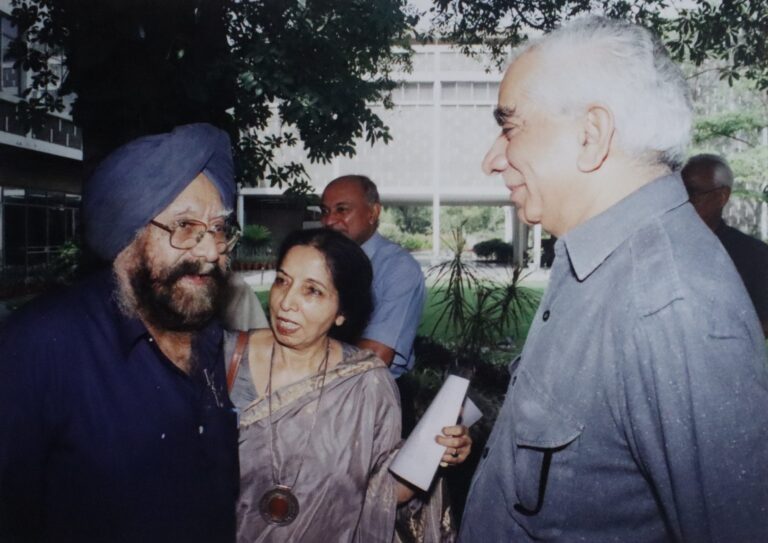
Held at the India International Centre in New Delhi (Dec 13–15, 2001), the Fourth SAARC Writers Conference drew over 500 participants, with President K.R. Narayanan inaugurating. Eminent voices included Khushwant Singh, Mahashweta Devi, Bhisham Sahni, V.P. Singh, I.K. Gujral, and Jaswant Singh.

Themes & Dialogues

  • The future of writers & intellectuals

  • Truth, trauma & reconciliation

  • Gender in SAARC literature

  • Justice & responsibility in a violent world

Highlights

  • Poetry readings by icons like Nida Fazli, Ahmad Faraz, Namdeo Dhasal.

  • SAARC Literary Awards to Zaheda Hina, G.N. Devy, Maitreyi Pushpa, and Laxman Gaikwad.

  • Resolutions condemning terrorism, promoting inclusivity (women & Dalit voices), and urging people-to-people cultural connectivity.

This conference reaffirmed literature as a force for reconciliation and justice at the dawn of a new century.

The Eighth SAARC Writers Conference (2003, New Delhi) – “Pen and Peace”

Held at the India International Centre in New Delhi (Dec 13–15, 2001), the Fourth SAARC Writers Conference drew over 500 participants, with President K.R. Narayanan inaugurating. Eminent voices included Khushwant Singh, Mahashweta Devi, Bhisham Sahni, V.P. Singh, I.K. Gujral, and Jaswant Singh.

Themes & Dialogues

  • The future of writers & intellectuals

  • Truth, trauma & reconciliation

  • Gender in SAARC literature

  • Justice & responsibility in a violent world

Highlights

  • Poetry readings by icons like Nida Fazli, Ahmad Faraz, Namdeo Dhasal.

  • SAARC Literary Awards to Zaheda Hina, G.N. Devy, Maitreyi Pushpa, and Laxman Gaikwad.

  • Resolutions condemning terrorism, promoting inclusivity (women & Dalit voices), and urging people-to-people cultural connectivity.

This conference reaffirmed literature as a force for reconciliation and justice at the dawn of a new century.

Voices of the Marginalised (2005, Kathmandu)

This conference expanded FOSWAL’s reach by focusing on Dalit, indigenous, and rural voices. By bringing these writers into a regional dialogue, FOSWAL underlined its commitment to inclusivity and social justice in literature.

Cross-Border Poets Festival (2010, Colombo)

Poets from all SAARC nations gathered in Sri Lanka to explore themes of spirituality, ecology, and shared cultural memory. Poetry readings in multiple languages echoed the diversity of the subcontinent, reminding participants that creativity is the region’s common language.

Contemporary South Asia Conference (2015, New Delhi)

This international gathering highlighted modern challenges — terrorism, migration, climate change — and how writers respond to them. It marked FOSWAL’s evolution from purely literary concerns to engaging with broader human rights and environmental issues.

Legacy of Conferences

Over the decades, FOSWAL has hosted  65 conferences and literary festivals, each carrying the same spirit: to build trust, empathy, and solidarity through art and literature. These gatherings remain milestones in South Asia’s cultural history.

Gallery of FOSWAL

Scroll to Top